
4.3 We break down nature
We are destroying nature faster than it can heal itself. We do this in countless ways and on every scale. In this way, we disrupt natural cycles and become vulnerable to all kinds of consequences of imbalance, such as infectious diseases (COVID-19), lifestyle diseases, drought, flooding, heat stress, waterlogging, food shortages, etc.
Urbanization
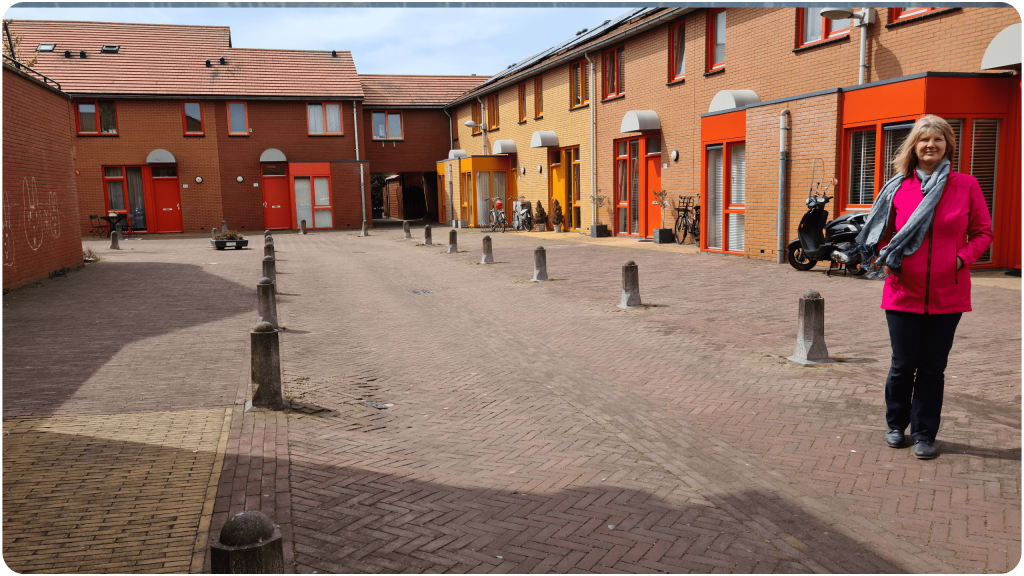
Cities are growing larger and require more space. This displaces nature and creates an imbalance in many places. In many cities, neighborhoods, and gardens, concrete and asphalt are taking the place of trees and greenery. As a result, water does not drain properly and temperatures can rise significantly.
Monocultures
Fertile soil becomes depleted and is sometimes even destroyed when we grow the same crop on the same piece of land for too long. As a result, desertification is on the rise worldwide. Over the past 150 years, 50% of fertile soil has already been lost.
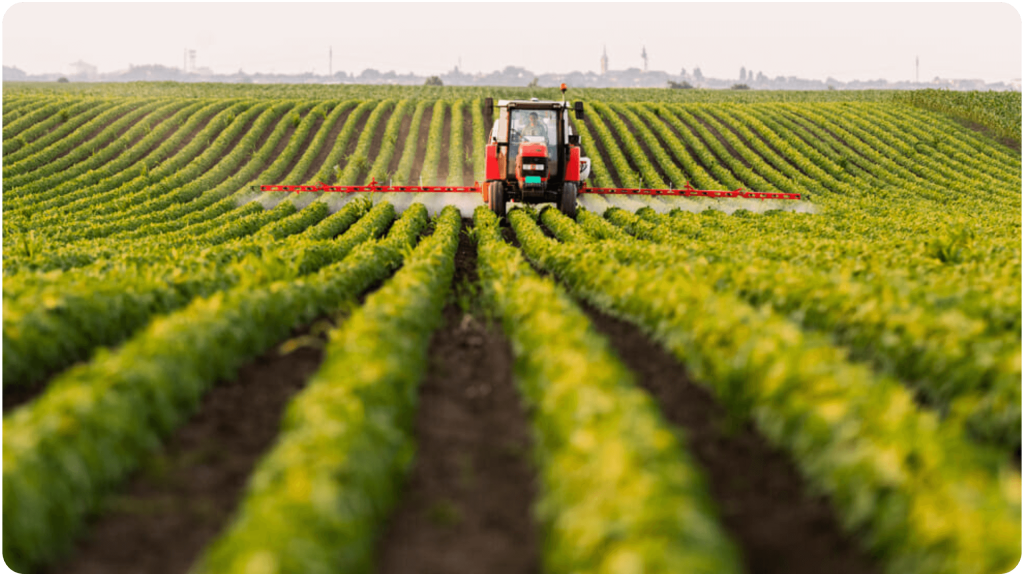
Due to soil depletion, growing crops without the use of chemical fertilizers is virtually impossible.
In addition, fewer and fewer species are being grown on an ever-larger scale. We call this monoculture. This leads to an increasing incidence of plant diseases and, consequently, to the use of chemical pesticides, such as herbicides, insecticides, and fungicides (which control weeds, insects, and fungi, respectively).
Monocultures are primarily created to feed the world’s massive livestock population. On average, it takes 25 kilograms of food and 15,000 liters of water to produce 1 kilogram of beef. (research)
Using animals as products
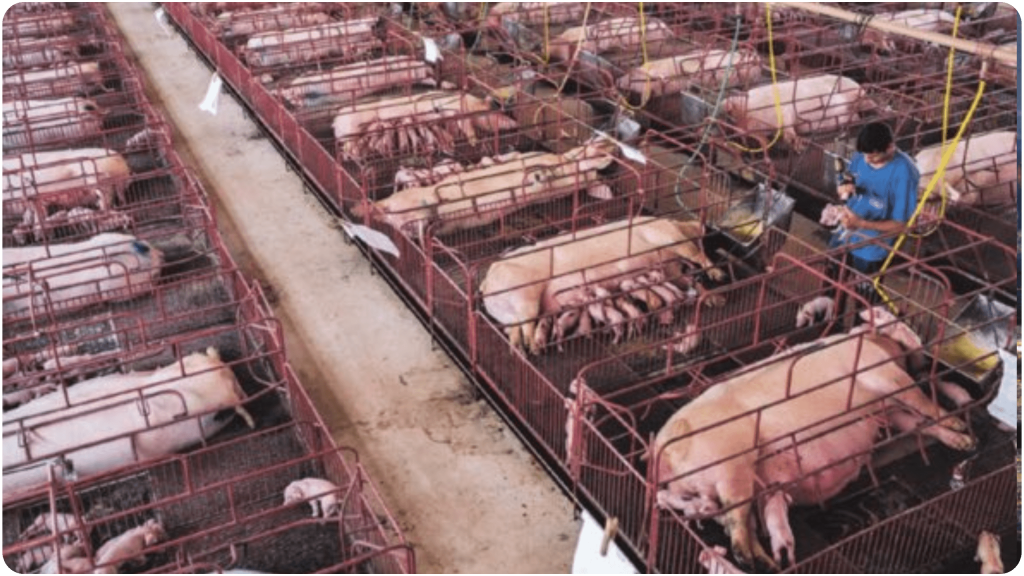
Monoculture is also becoming increasingly prevalent in the animal world worldwide. We consume only five animal species on a very large scale: chicken, cow, pig, goat, and sheep. Intensive livestock farming has created a monoculture of these species; in the Netherlands alone, we raise more than 500 million animals per year.
The negative impact is enormous
Pollution, soil acidification, and rainforest destruction also lead to the emission of methane (a very potent greenhouse gas) and an increase in all sorts of nasty side effects, such as antibiotic resistance and the rise of infectious diseases like COVID-19, MERS, SARS, Ebola, Q fever, avian flu, mad cow disease, etc.
What a small country excels at
On top of that, in our little country, we slaughter more than 1.7 million animals every day!
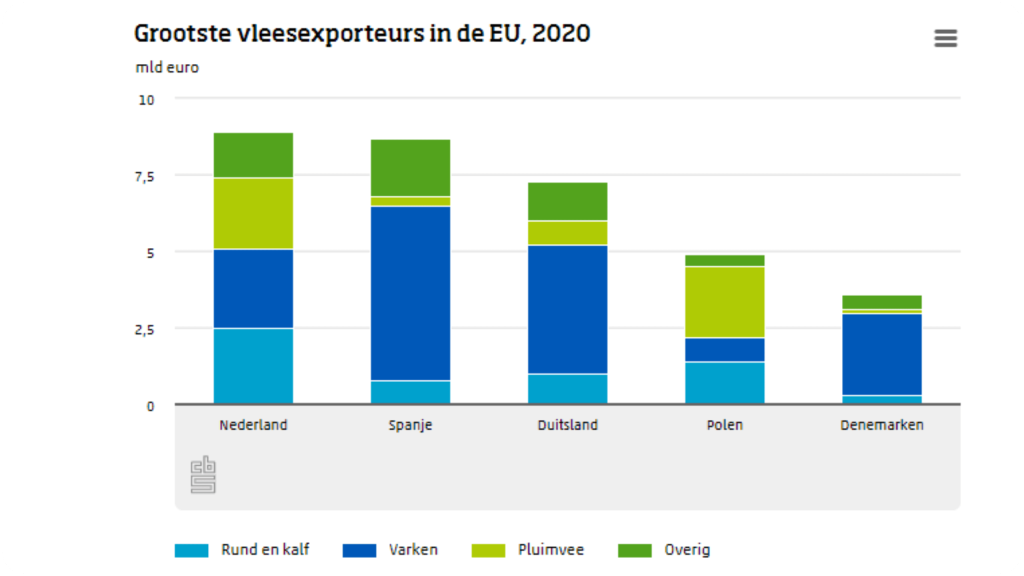
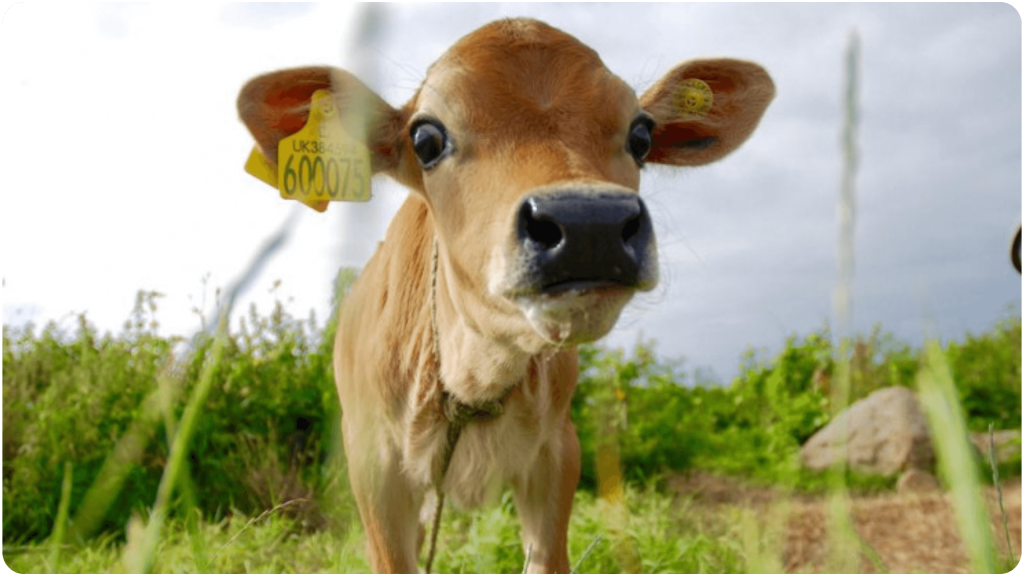
In fact, we are the global market leader in veal exports. Ninety percent of all calves are destined for export and are taken away from their mothers immediately after birth so that their mother’s milk can be sent to us.
Making way for the oak processionary caterpillar
We also see the disruption of nature in other areas. For example, in the design of public spaces, where we often use attractive exotic species. Ultimately, this disrupts the balance in an area, meaning we can no longer consider these areas to be healthy natural environments. This, in turn, leads to pests such as the oak processionary caterpillar.
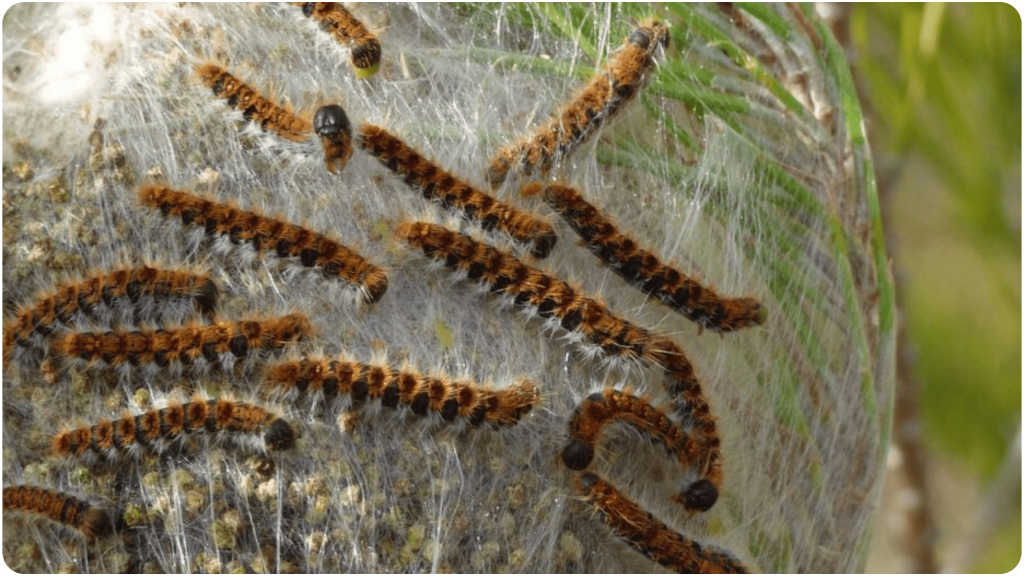
Controlling the oak processionary caterpillar costs society many millions of dollars each year. A balanced ecosystem has shown that the processionary caterpillar does not have to be a problem.
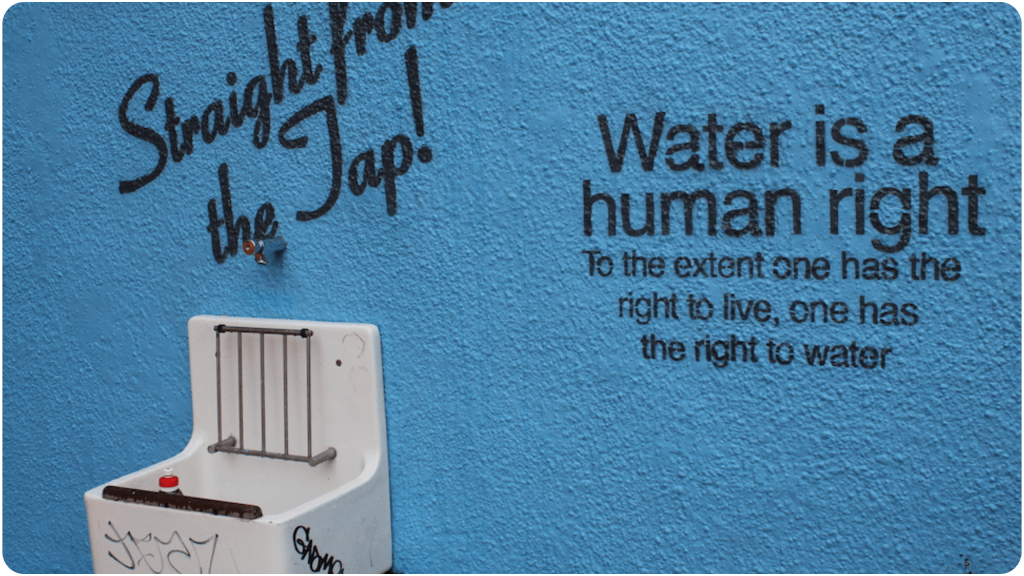
Drinking water is becoming scarcer
The availability of drinking water is coming under increasing pressure. Due to the discharge of waste and chemicals, it is becoming increasingly difficult—and above all, increasingly expensive—to purify drinking water. With a growing global population and major climate changes, the supply of drinking water is already at risk in some areas.
Air quality is bad
Due to the use of fossil fuels for energy and transport, production of stuff and intensive livestock farming, air quality is decreasing. Not only CO2 but also heavy metals, particulate matter and ultra-fine dust pose a great danger to health, but certainly also to nature (just think of the current nitrogen problem).
Due to increased global trade and tourism, shipping traffic is having an ever-greater impact. Marine life is affected by the noise from large ship engines, and the emissions from these ships are also enormous.
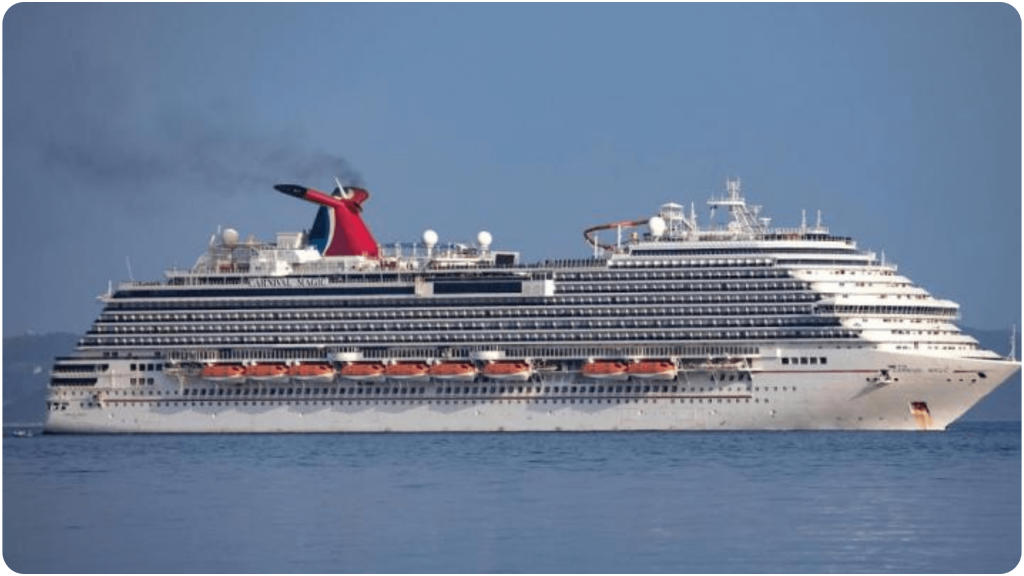
Together, the world’s largest cruise ships emit just as many harmful pollutants as all the cars on the road in Europe.
All of these examples can be traced back to a single root cause: