
4.2 We make super many new substances
People are very clever. We can create chemical compounds from natural substances. Chemical compounds are made from materials that already exist in nature or the Earth’s crust, but which we process using various biological, physical, or chemical processes to create entirely new substances. Nature has no way of dealing with this.
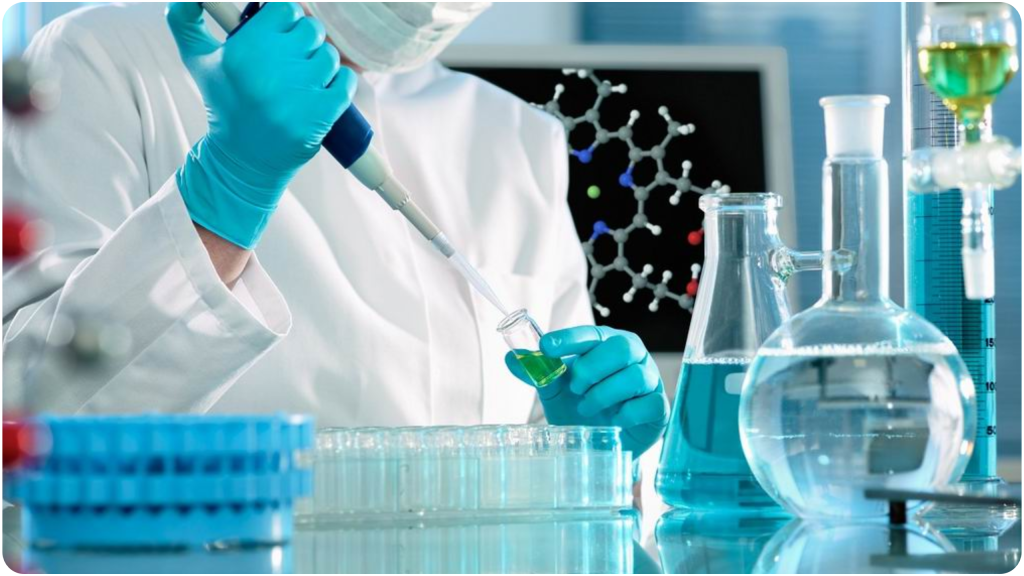
Plastic and stuff
We have developed countless types of plastics containing hardeners, plasticizers, flame retardants, chemical pigments, and so on. Nature cannot break these substances down effectively through its natural cycles, and the process of breaking them down or converting them takes an extremely long time.
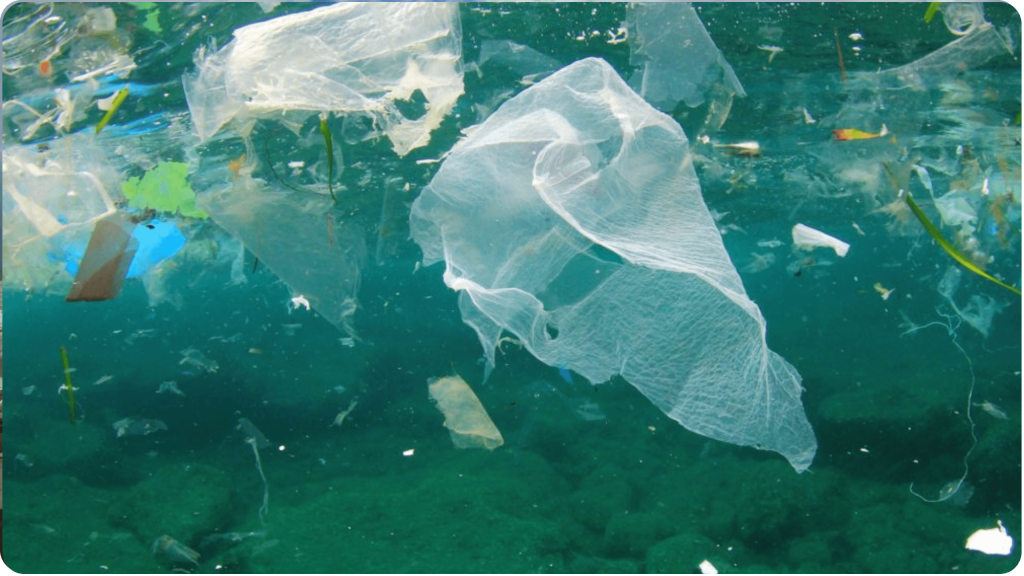
The plastic soup in the Pacific Ocean covers an area of 1.6 million square kilometers. That’s three times the size of France!
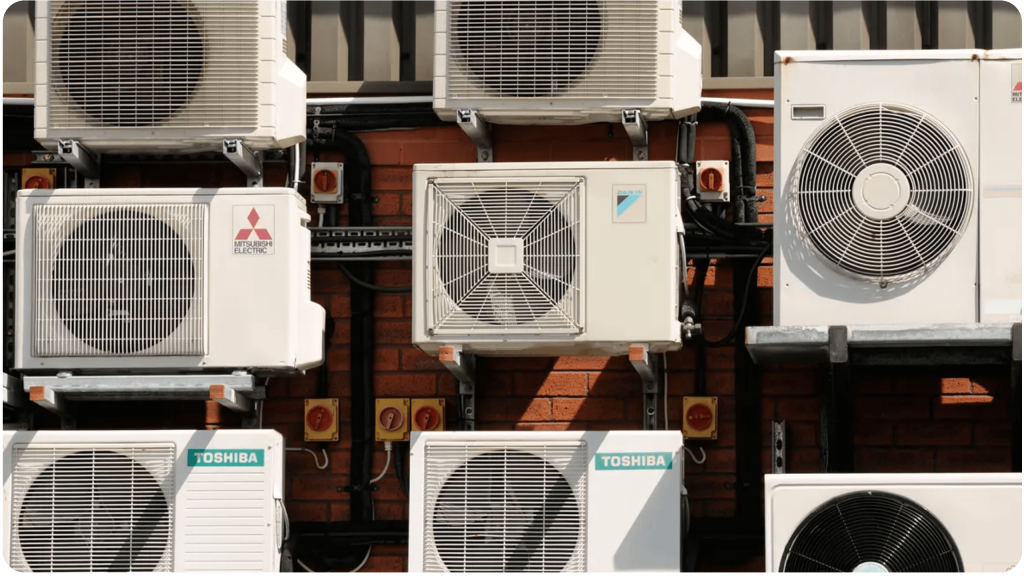
But you can also think of herbicides, fungicides, refrigerants for air conditioners, paint pigments, solvents, MDF/particleboard, resins, and formaldehyde in insulation. The list of chemicals is long, and all of these substances accumulate under the glass dome.
In practice, it is not feasible to test all substances for harmful effects. New substances are introduced every day, and research into their short- and long-term effects takes an enormous amount of time and money. We have often already banned the harmful substances whose effects we do know, even though they sometimes reappear in other products through indirect channels. Whether it concerns the development of medicines, crop protection products, food additives, new types of paint, the use of plastics, or insulation.
We have grouped all these examples together and refer to them under one root cause: