
4.1 We extract substances from the earth’s crust
We extract various substances from the earth’s crust in large quantities and at a very high rate. These include fossil fuels, metals and minerals. We give examples of each below.
Fossil fuels

- Oil —which we use to make other fuels, such as fuel oil for ships, kerosene for airplanes, and gasoline and diesel for vehicles.
- Coal —lignite and bituminous coal—which we use to generate energy in coal-fired power plants.
- Natural gas —which we use to generate energy for heating our buildings, for cooking, and in various manufacturing processes to maintain specific temperatures.
In return, we get energy, but also all sorts of harmful byproducts such as nitrogen, particulate matter, ultrafine particulate matter, volatile gases, and, of course, a great deal of CO2. All of this accumulates beneath our glass dome. In addition, extracting these substances is no easy task. It is often unhealthy and dangerous work that entails many risks and conflicts worldwide.
Metals
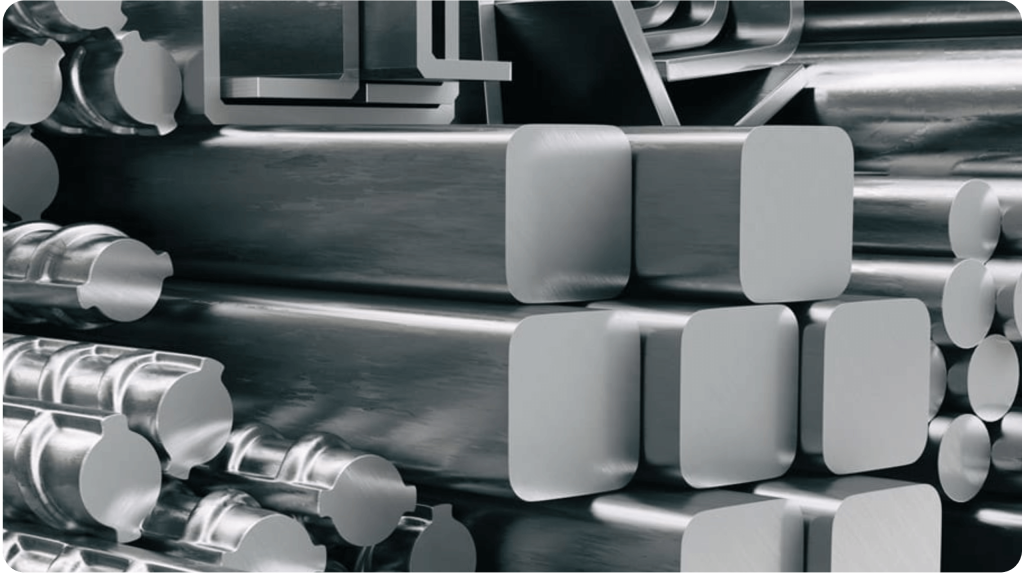
Many of the metals we extract from the Earth’s crust are highly harmful to humans and the environment and would be better off remaining in the Earth’s crust. This is especially true of heavy metals such as mercury, cadmium, lead, and chromium. When we extract these from the Earth’s crust, sooner or later they end up in landfills and thus accumulate in the biosphere, our living environment. Here, they are increasingly causing diseases, including cancer.
Minerals
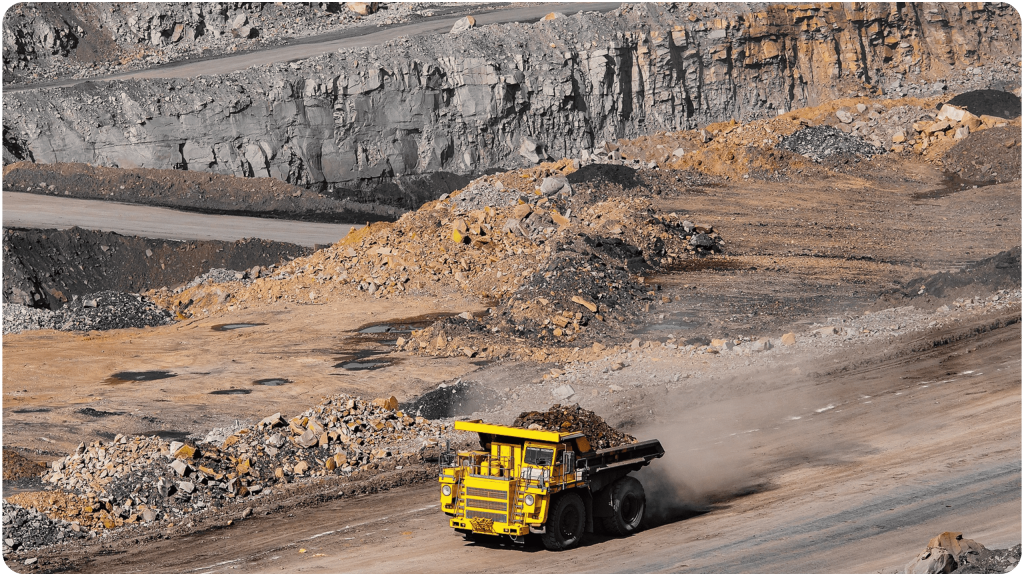
Finally, we extract all kinds of minerals from the Earth’s crust, such as salts, phosphates, sulfides, nitrates, and certain resins. Here too, if they enter our biosphere in excessively high concentrations, they can cause harm to both humans and nature.
This all falls under one root cause: