
2.2 A complex challenge
Sustainability is not about one problem, such as climate change. The challenges of sustainability are complex and mutually reinforcing. It is not easy to solve something somewhere without inadvertently creating new problems somewhere else. This only works if you step back. You need a systems perspective. In other words. we must learn to think in systems.
Systems thinking means that you look at the whole as well as all the separate parts at the same time. You don’t look at one part, but at the connection with all parts and the whole. All at the same moment.
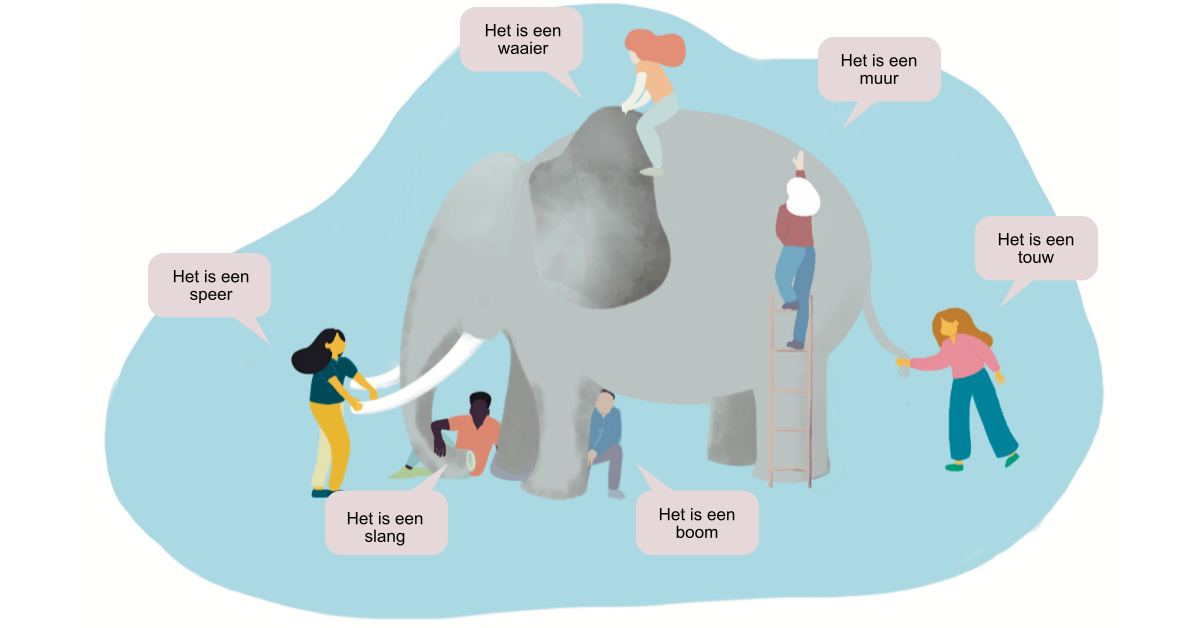
Being able to see the whole elephant
The story of the blind men and the elephant teaches us an important lesson. Because they can all only see a small piece of the elephant, each blind man thinks the elephant is something else, from a rope to a tree trunk. They get into an argument about who is right. Only when they start talking to each other do they see the whole elephant bit by bit.
Being able to see the whole elephant can only be done together with others
We need each other to form a picture of the whole. Science is divided into pieces, highly specialized fields. A scientist often knows a lot about a small piece of the elephant. Only when you step back and bring everyone together do you get a picture of the whole. When working with sustainability, make sure you have multiple views and opinions.
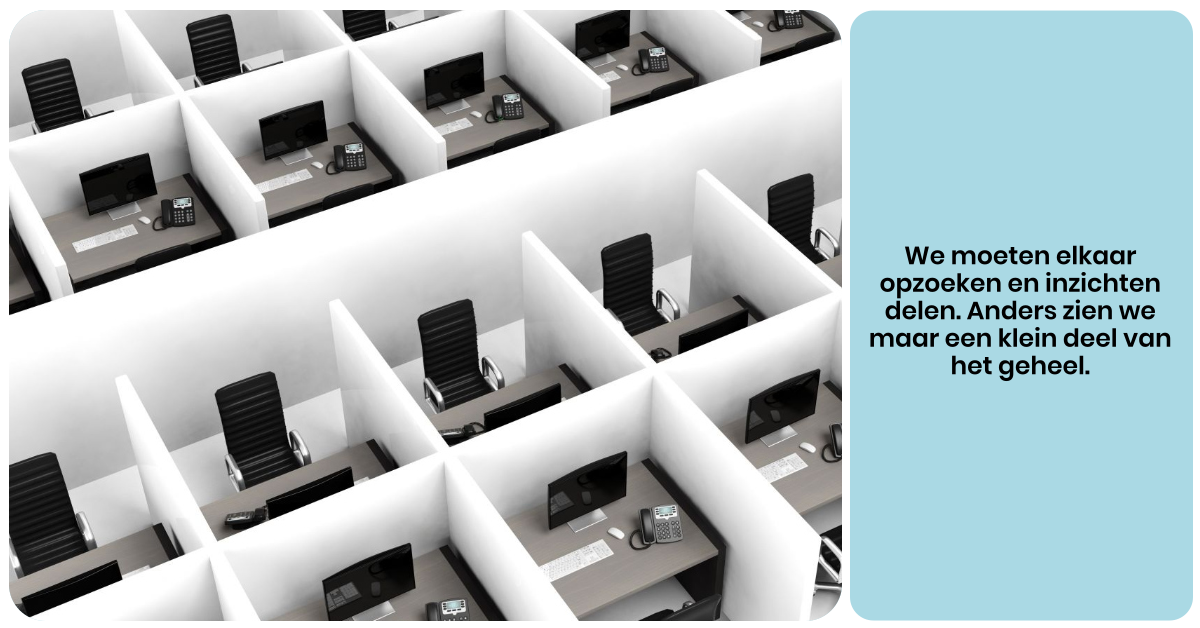
Bringing together many perspectives and being open to each other’s insights
That is exactly what Karl Hendrik did in his quest for sustainability. Together with all kinds of disciplines from science, they looked at the largest closed system: our earth. The earth is completely sustainable without us. It can go on indefinitely.
Together, all the scientists looked at exactly how this system works and what they all agree on. They did this based on the laws of nature. Because if you know exactly how something works, you also know how something gets broken. We dive a little deeper into this together.